




Business intelligence
Co-Wright Intelligence is our proprietary, AI-enabled dashboarding layer, inside every white-labeled portal — unlimited viewers, no per-seat licensing.
This is the product, not a picture of it
A working Co-Wright Intelligence dashboard on anonymized data. Filter it, save a view, open the formatting panel, retheme it — everything in the frame is live.
Three postures toward the BI you already run
Tableau is the external BI we know best, so it is the worked example throughout. Three equal stances — which one is right depends on your estate, not on what we would rather sell.
Support it
Your Tableau estate keeps running and we keep it healthy — workbooks, extracts, governance, performance. Most of our BI practice grew up in Tableau; supporting it well is ordinary work for us, and we do it gladly.
Integrate with it
Read-write, not export-and-email. Your portal and your Tableau dashboards share one permissioned warehouse, so both read the same reconciled data — and writes flow back through the same API layer.
Migrate off it
When Tableau stops being the right answer, we move you off it deliberately — dashboard by dashboard, with parity checks against the originals, onto Co-Wright Intelligence inside the portal you already have.
Our own position, stated plainly: new portals ship with Co-Wright Intelligence by default, and we are migrating our own installed base — every remaining embedded-Tableau dashboard — to Intelligence through the end of 2026. The migrate posture, practiced on ourselves first.
The same three-postures assessment starts every engagement →What AI-enabled means here
Mechanisms, not adjectives. Two parts: what the AI does for your dashboards today, and what is planned.
The AI lives within the SEAD framework, behind your portal: a conversational layer our team works with that optimizes the SQL, the API layer, and the TypeScript and JavaScript producing your analytics, and draws on the Intelligence suite to shape them into actionable views.
Your dashboards benefit from it now. There is no AI button in your portal yet, and we won't pretend there is.
The conversational layer arrives in the Co-Wright interface itself: ask a question of your portal's data, get a governed view back.
That is the one capability we are committing to. Anything more specific will be announced when it exists.
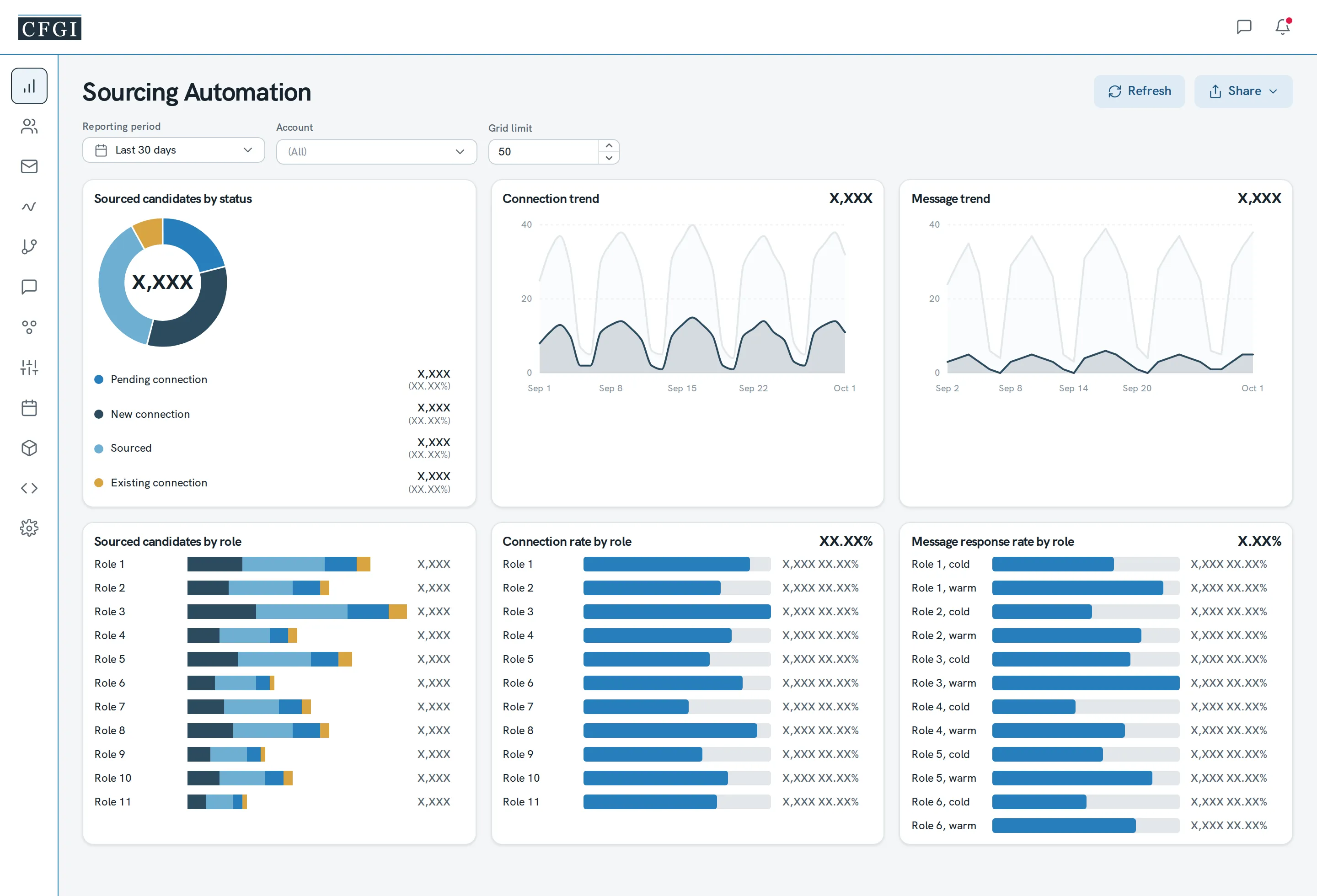
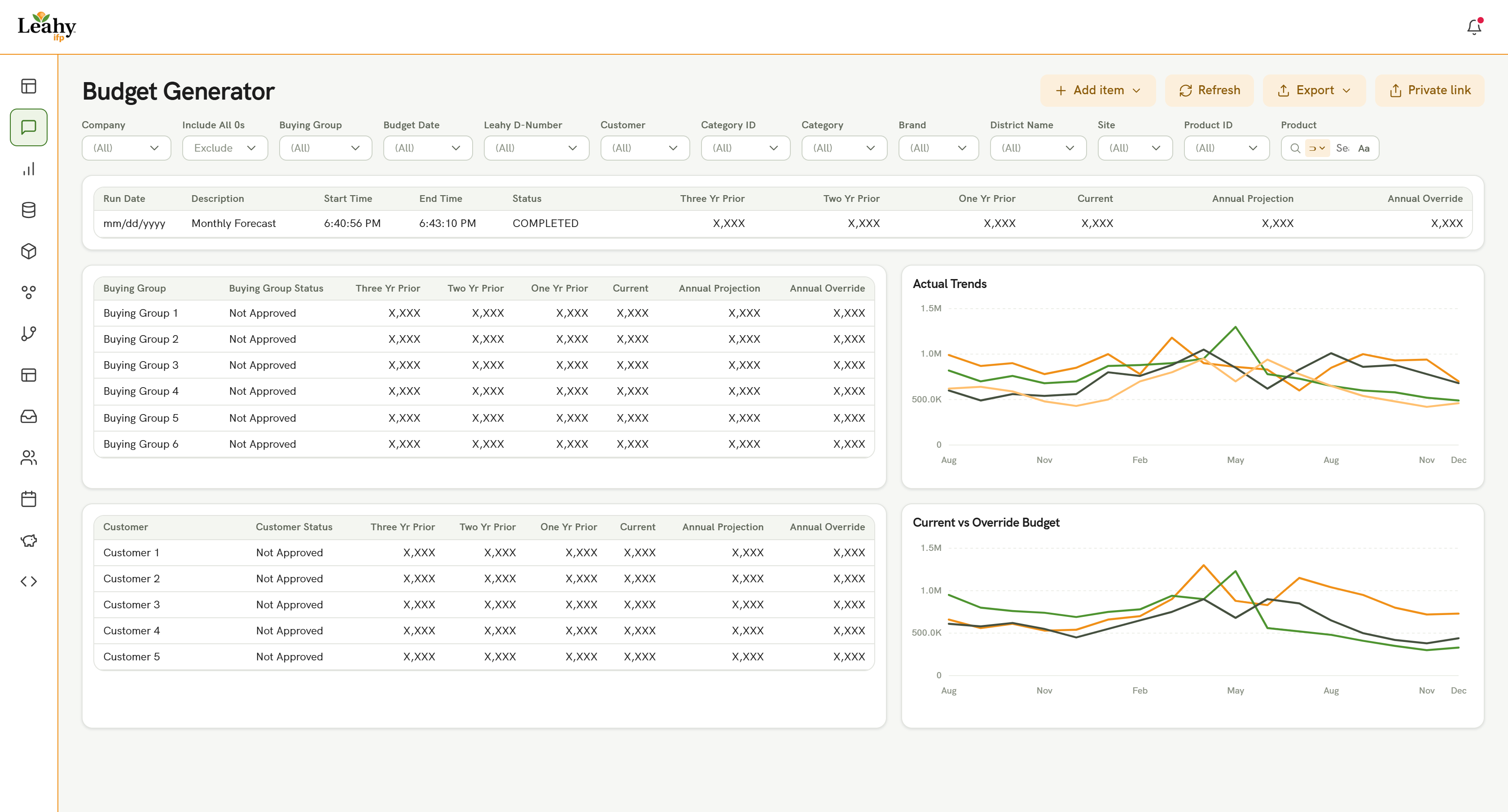
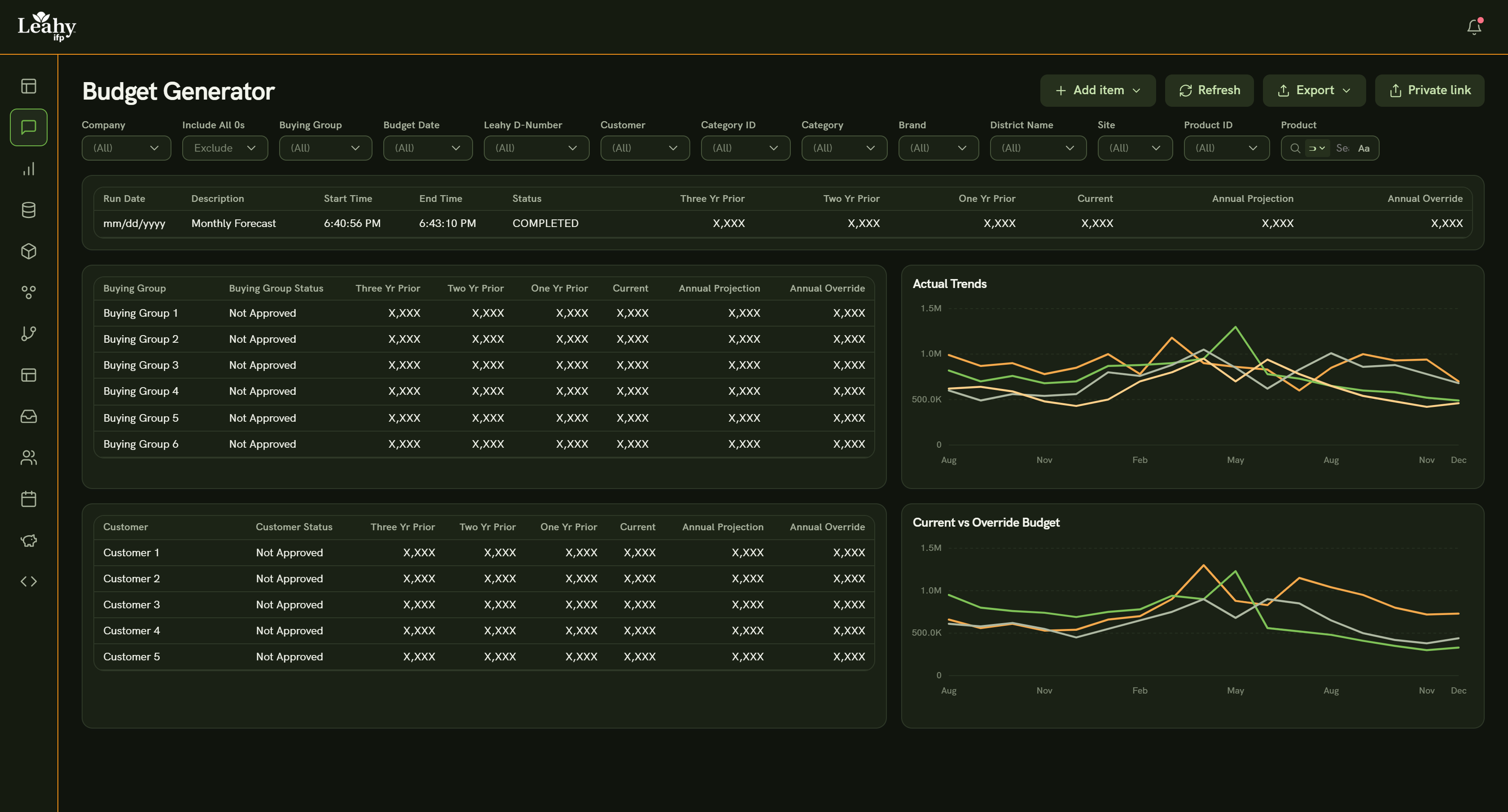
What clients run on it
Data-masked captures from client portals — values anonymized, layouts real.
The cost is labor, not licensing
The real cost of business intelligence is the analyst time spent assembling data every month — pulling extracts, reconciling numbers, rebuilding the same report for the same meeting. That is where BI budgets go, whatever the license line says. The way to cut it is to fix the layer underneath the dashboards, and that is the work a portal engagement actually consists of.
Here the license line is also zero: Co-Wright Intelligence ships inside your portal with unlimited viewers. Per-viewer licensing — the category's default — turns every new reader into a billing event. We think reading a dashboard shouldn't be one.
A price scraper is not business intelligence. It feeds business intelligence.
Wright's Impact Window & Door runs AI-scraped pricing from four sources into budget-versus-actual margin reporting. The scraper supplies the numbers; the intelligence decides what they mean. Supply below, decision above — that layering is the whole design.
Dashboards are only as good as the data underneath them
The warehouse decides what a dashboard can know. If you are weighing where to start, start there.